Yeast K Feed Formulation
Japanese Feed Formulation Nutritionist Team
Japanese Feed Formulation & Fermentation Technology.
40+ Years of Japanese Feed Formulation
Better feed begins with better formulation.
For more than 40 years, we have studied the relationship between
feed ingredients, microorganisms, fermentation, livestock, and the production environment.
Our approach is not based on a single ingredient or microorganism.
We design feeding and fermentation conditions according to the
ingredients, livestock, and objectives of each production environment.
This experience has been developed through decades of practical work in Japan,
including the development of our own fermentation resources and formulation know-how.
Kakegawa Feed Formulation & Fermentation
|

|
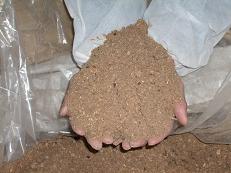
Japanese feed formulation expertise, developed through 40+ years of field experience.
Our Japanese Feed Formulation Nutritionist Team integrates feed ingredients, fermentation, microorganisms, and local feeding conditions to design formulations for each animal and production environment.
Natural & Antibiotic-Free Livestock

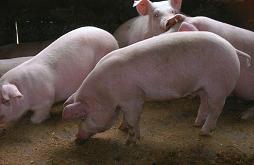
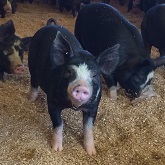
Our Japanese Feed Formulation Nutritionist Team combines Japanese feed formulation, local ingredients, and fermentation technology to create suitable feeding conditions for local livestock.
In our established production practices, fermented feed has been used during the fattening period without antibiotics or unnecessary pharmaceuticals.
The objective is not simply to produce more meat, but to support animal health, feed efficiency, and high-quality meat through natural production conditions.
From Feed to Livestock
Our experience extends beyond feed preparation. We work with livestock production systems in which feed formulation, fermentation, animal health, and meat quality are considered as one connected system.
Our Approach
- Local ingredients × Japanese formulation
- Fermentation technology
- Feed efficiency
- Natural livestock production
- Food by-product utilisation
- Sustainable livestock systems
Our Japanese Feed Formulation Nutritionist Team works directly with farms, feed manufacturers, universities, and international partners to adapt Japanese formulation expertise to local production conditions.
Current Research & Collaboration
- Livestock methane reduction
- Feed efficiency improvement
- Natural livestock production
- Food by-product utilisation
- Circular livestock systems
- International field trials
Great livestock begins with the right conditions. We believe those conditions can be designed.
Proven Applications
- Premium Livestock Production
- ■ Fermentation-Fed Premium Lamb
- ■ Fermentation-Fed Black Pork
- ■ Fermentation-Fed Pork
- ■ Fermentation-Fed Beef & Wagyu
- Premium meat products sold through leading Japanese department stores, including Isetan & Mitsukoshi.
- Experience includes premium Wagyu production and other high-value livestock systems.
International Experience
- Established Track Record:
- ■ Taiwan
- ■ Cambodia / China / Vietnam
- Current Focus Areas:
- ■ Southeast Asia & Middle East
Expertise
- ■ Feed Formulation
- ■ Fermentation
- ■ Natural Livestock
- ■ Feed Efficiency
- ■ Circular Livestock
Link